A standard dental cleaning usually takes 30 to 60 minutes, depending on several factors. For someone who maintains good oral hygiene and visits the dentist regularly, the process is often quicker and more straightforward. However, if there is a noticeable buildup of plaque or tartar, the appointment may take slightly longer.
The duration can also vary based on individual oral health, age, and whether X-rays or a dental exam are included during the visit. First-time patients often spend more time because the dentist or hygienist needs to assess overall dental health, review medical history, and perform a thorough examination.
In general, routine cleanings are designed to be efficient while still ensuring that every tooth and gum area is properly cleaned and evaluated.
Why are Dental Cleanings Important?
Dental cleanings play a crucial role in maintaining long-term oral health. Even with consistent brushing and flossing at home, plaque can harden into tartar, which cannot be removed without professional tools. Regular cleanings help prevent cavities, gum disease, and tooth loss.
Another important benefit is early detection. During a cleaning, dental professionals can identify early signs of issues such as gum inflammation, enamel erosion, or oral infections. Addressing these problems early often leads to simpler and less costly treatments.
Additionally, cleanings help reduce bad breath and improve the appearance of teeth by removing surface stains caused by food, drinks, and smoking. Over time, routine cleanings contribute not only to healthier teeth but also to overall well-being, as oral health is closely linked to systemic health.
What Happens During a Dental Cleaning?
A dental cleaning typically follows a step-by-step process to ensure thorough care. It usually begins with an oral examination, where the dentist or hygienist checks the teeth and gums for signs of decay, inflammation, or other concerns. This examination helps determine if any additional treatment is needed.
Next comes the removal of plaque and tartar using specialized instruments. These tools allow the hygienist to clean areas that are difficult to reach with regular brushing, especially around the gum line and between teeth. This step is essential for preventing gum disease.
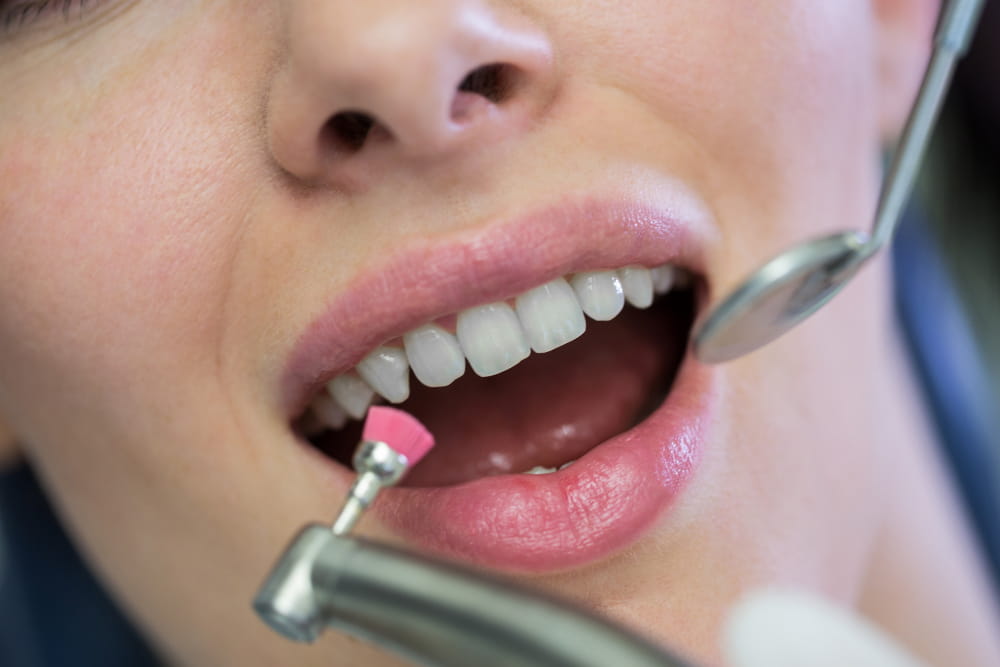
After the teeth are cleaned, they are polished using a gritty toothpaste and a rotating brush. This helps remove surface stains and smooth the tooth enamel. The process often ends with flossing to clean between the teeth and a fluoride treatment, which strengthens enamel and helps protect against cavities.
What is a Deep Teeth Cleaning?
A deep teeth cleaning, also known as scaling and root planing, is a more intensive procedure recommended for patients with signs of gum disease. Unlike a regular cleaning that focuses on the surface of the teeth, a deep cleaning targets bacteria and tartar below the gum line.
This type of cleaning is necessary when plaque buildup has caused gum pockets to form, allowing bacteria to settle deeper around the tooth roots. If left untreated, this can lead to infection, gum recession, and even tooth loss.
Deep teeth cleaning is usually performed under local anesthesia to ensure comfort. It is not considered a routine procedure but rather a therapeutic treatment aimed at restoring gum health and preventing further damage.
How Long Does a Deep Cleaning Take?
A deep dental cleaning generally takes 60 to 90 minutes per session, and in many cases, it is completed over two or more appointments. The mouth is often divided into sections, with each visit focusing on one area to ensure thorough cleaning and patient comfort.
The exact time depends on the severity of gum disease and the number of teeth affected. Patients with advanced tartar buildup or deeper gum pockets may require additional time and follow-up visits.
Recovery after a deep cleaning is usually minimal, though some tenderness or sensitivity may occur for a short period. Dentists often recommend specific aftercare instructions to support healing and maintain results.